1. The Dangerous Word Was “New”
Solmere House did not need more adjectives. Elena already had enough of those. Calm. Elegant. Curated. Intimate. Premium. Coastal. They all fit, and that made them less useful. Any hotel could borrow those words for a weekend and look convincing from a distance. The deeper problem was the category itself. Calling Solmere House a new seaside boutique hotel forced it into direct comparison with properties that had years of reviews and returning guests — a fight it could not win before a single guest had checked in. So Elena changed the frame entirely. Instead of announcing what the hotel was, she described what this particular moment in time offered: “A quiet coastal house before the world arrives.” The shift was not cosmetic. Being an early guest was no longer a mild risk — it became something rarer: exclusive, unhurried, uncrowded. Elena rewrote the site requirements accordingly. She was not building a website for a new hotel. She was building a brand frame that made early booking feel like privileged access rather than an unproven gamble. Many new businesses struggle because they inherit the wrong category and inherit its burdens alongside it — including the burden of proof they do not yet have.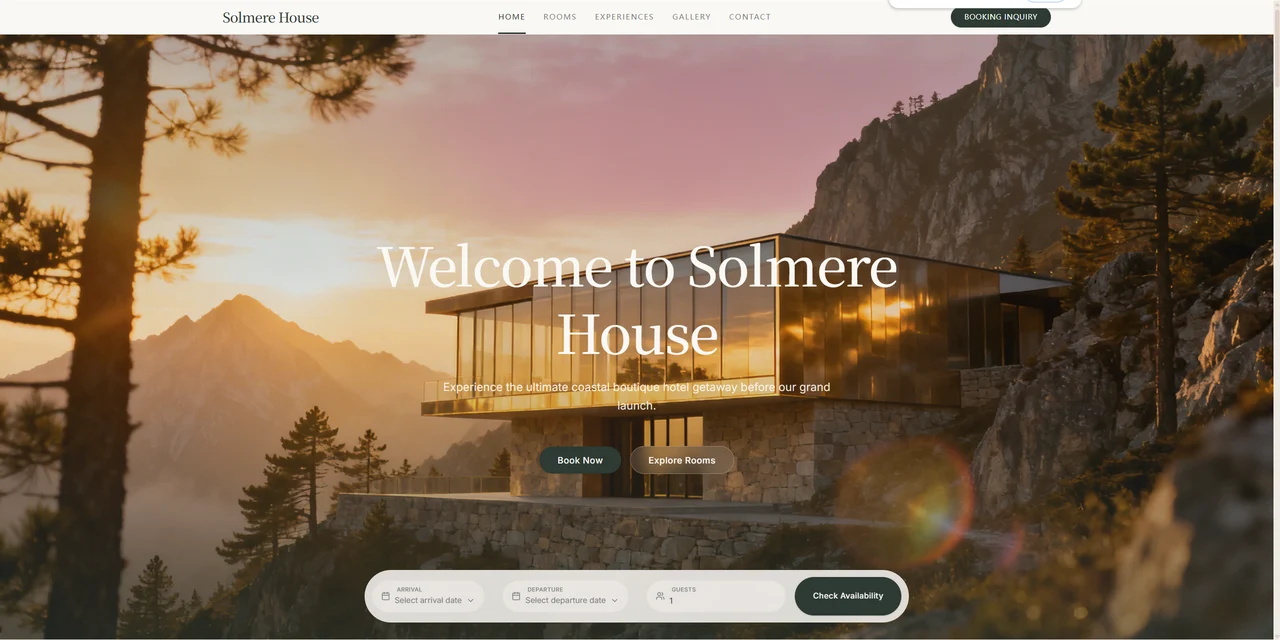
2. The Clue Was in What People Wanted to Avoid
Once the positioning changed, Elena went looking for the real appeal — not the obvious one, but the one underneath it. Standard selling points drew ordinary responses. Rooms. Sea views. Opening offers. But when she posted a photo of an empty pool with the caption “Before everyone finds it,” something different happened. The responses were sharper. More personal. People weren’t describing what they wanted to see. They were describing what they wanted to escape. Noise. Crowds. Oversaturated recommendations. Places that felt like someone else’s itinerary. That was the real signal. What guests wanted from Solmere House was less about the property itself, and more about the version of a trip it promised — one that hadn’t been documented yet, recommended yet, or crowded out yet. Elena rebuilt the copy around that gap. “Opening soon” became Before the World Arrives. “Newsletter” became Opening List. “Book now” became Reserve an Early Stay. Standard inquiry forms became Quiet Weekend Inquiry. The first available period was named First Stay Window.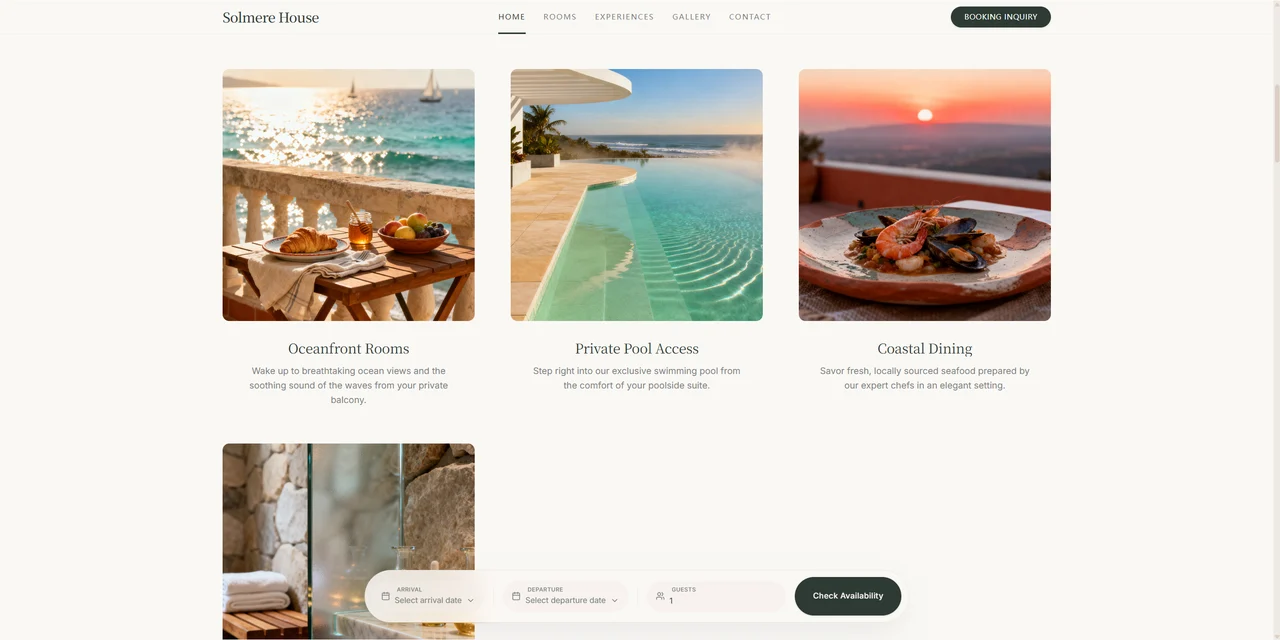
3. No Reviews Became First Access
Elena did not hide the absence of reviews. She changed what it meant. No reviews meant no crowd yet. No crowd meant the first guests could see Solmere House before it became a checklist destination — before anyone else had turned it into a photo dump or a TripAdvisor score.
4. Adjectives Were Replaced by Evidence
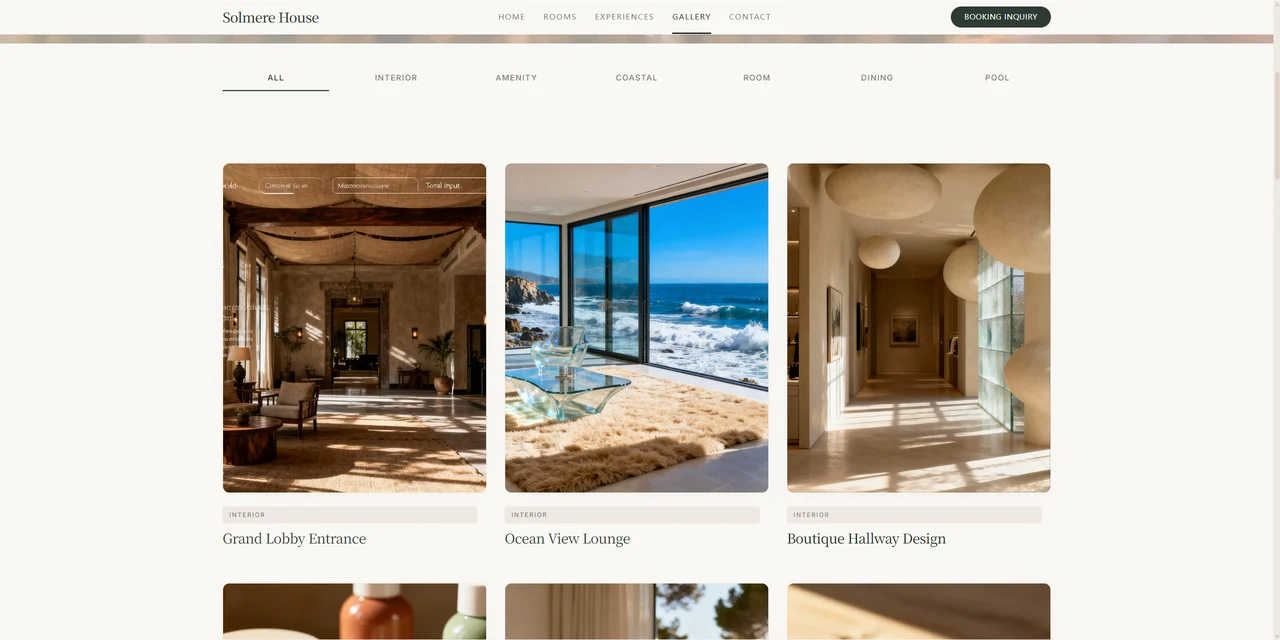
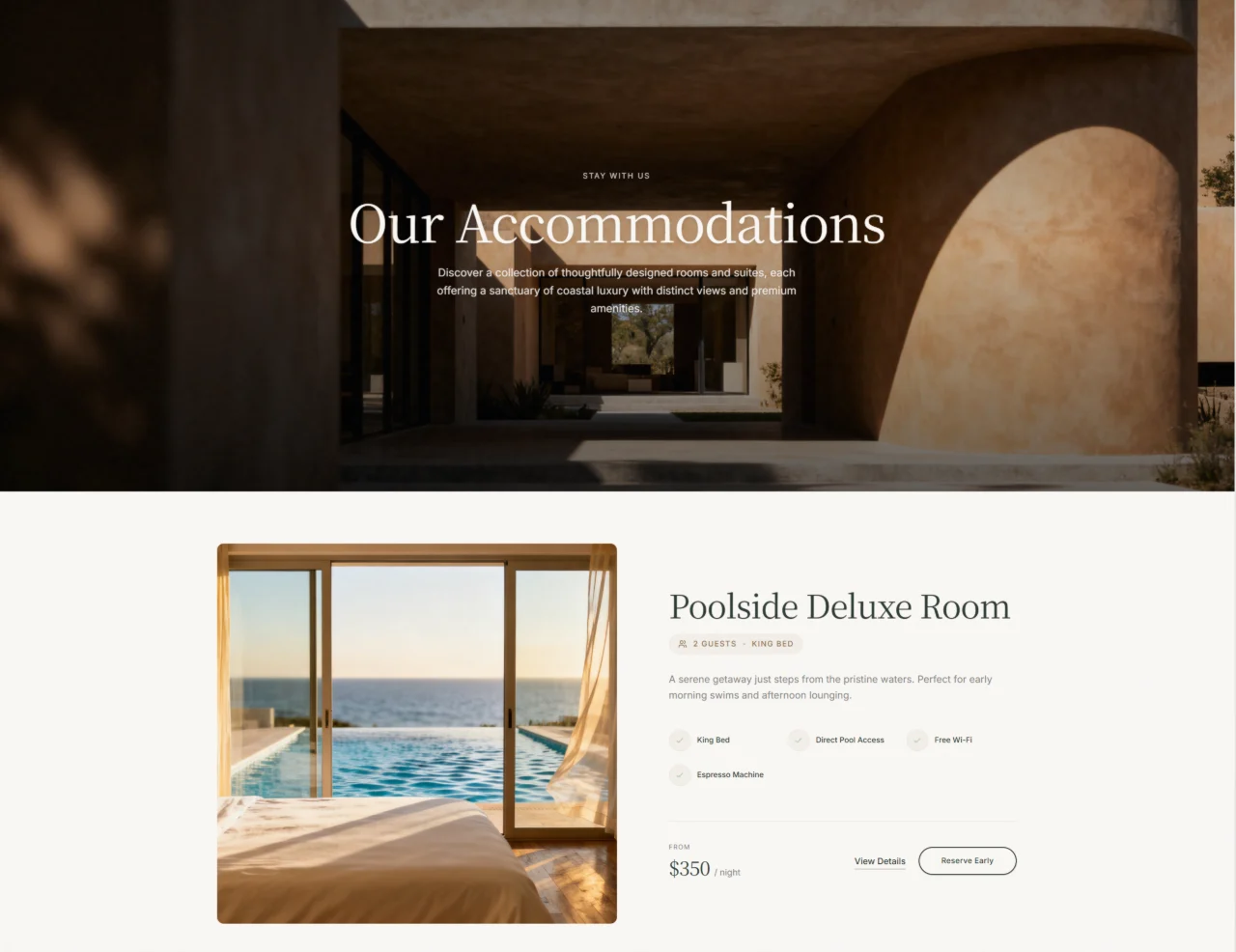
A guest does not trust a hotel because it says curated. A guest trusts the choices that make the word believable. Every adjective in the original draft had to earn its place, or disappear. If the hotel was calm, the site had to show space and restraint — not declare it. If it was premium, the rooms needed clear differences, named prices, and a reservation path that matched the positioning. If it was curated, the experiences had to feel selected rather than listed. Elena worked through AutoCoder.cc to turn tone into structure. Rooms became specific choices with specific names: Sea View Suite, Garden Terrace Room, Poolside Deluxe Room.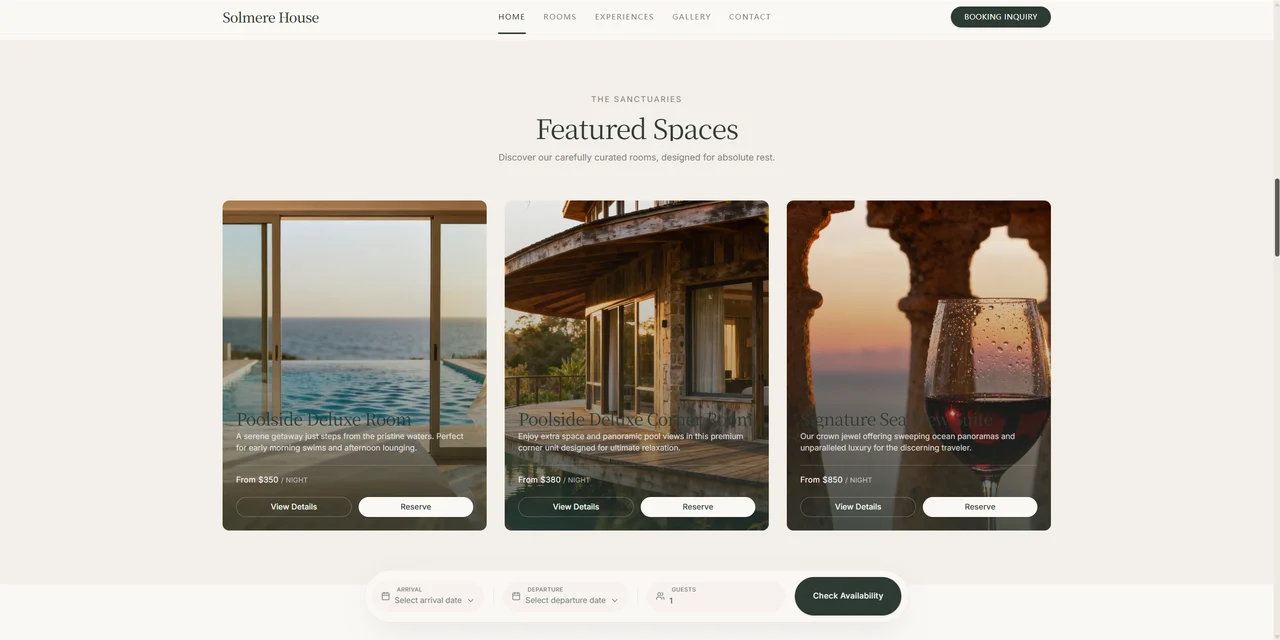
5. The Room Was Only the Entry Point
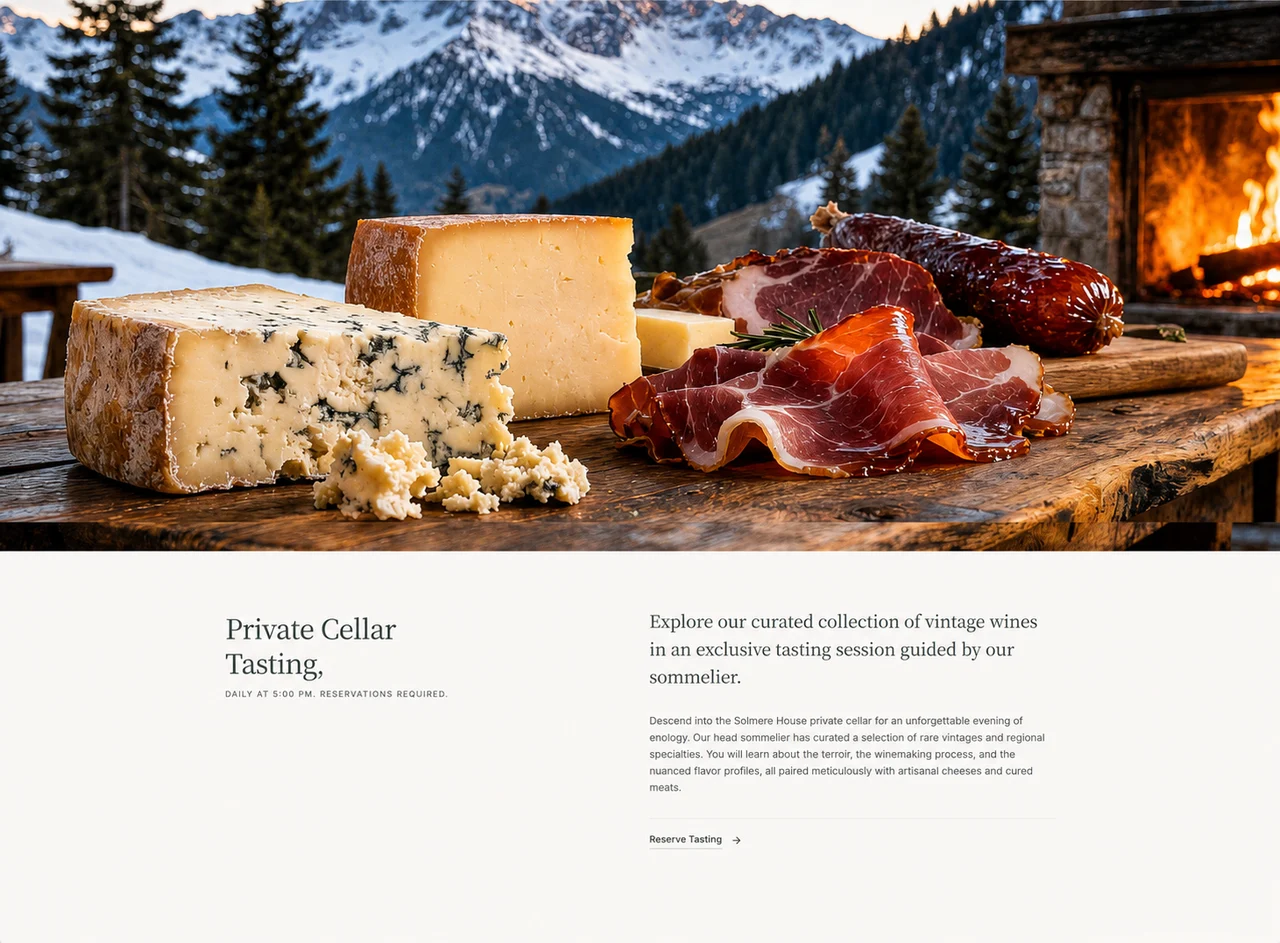
The rooms mattered. But they were not the reason someone would book early, before any reviews existed. A room is where the guest sleeps. It is not always why the guest comes. What the site had to show was something slower and harder to name — a coastal rhythm worth choosing. Wake near the water. Eat without rushing. Move between the room and the pool. Walk the coast before the day fills up. Taste something local before dinner. Return before the afternoon becomes crowded again. Solmere House wasn’t promising more things to do. It was promising fewer decisions to make. That’s why the Experiences section mattered — not as a feature list, but as evidence of a pace.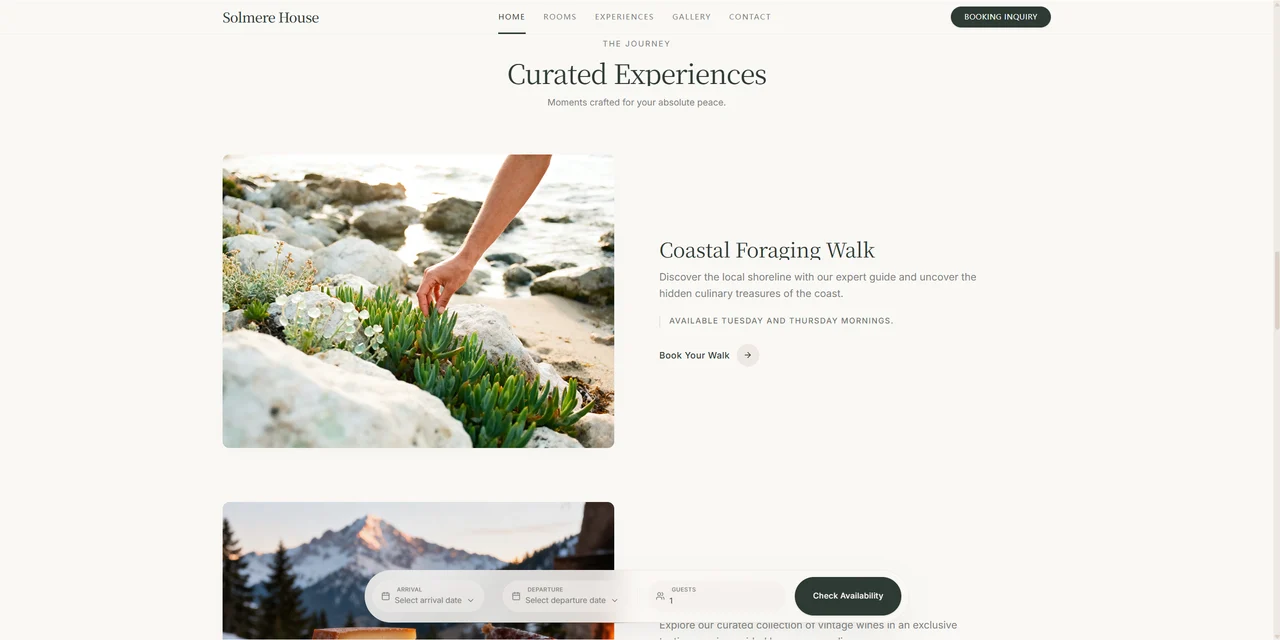
6. She Stopped Making Uncertainty Cheaper
At one point, Elena considered the obvious move. An opening discount. It would have made sense on paper. No reviews, lower price, reduced hesitation. She typed the line once: “20% off opening stays.” Then she deleted it. The sentence didn’t feel generous. It felt like an apology — an admission that the place wasn’t worth its own price yet. A discount would not have removed doubt. It would only have made doubt cheaper to accept. The real work was different: make the uncertainty smaller, not cheaper. So the website had to answer the questions a guest would not always say out loud. Is this place real? Why does this room cost what it costs? What happens after I send an inquiry? Who is behind these choices? If I’m not ready to book today, what is the right next step? AutoCoder.cc helped turn those unspoken hesitations into a legible path. The gallery made the atmosphere consistent across every page. The room pages made the pricing easier to understand. The founder story gave the hotel a human center — someone whose specific taste was behind every decision.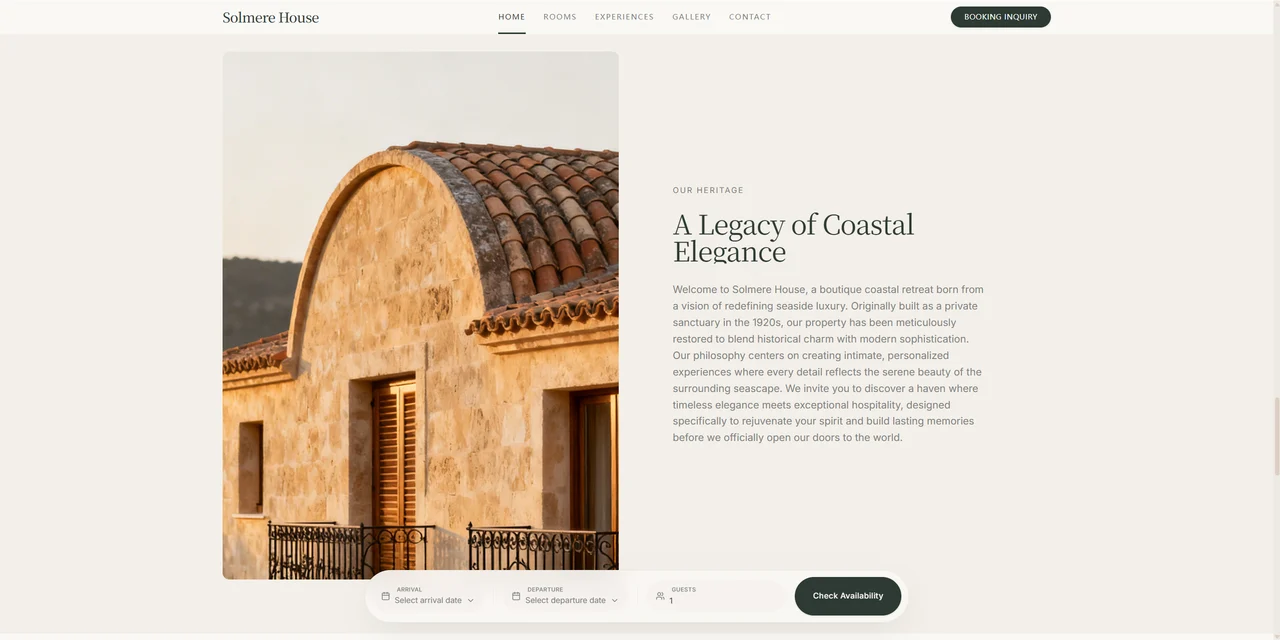
7. The First Bookings Were Also First Relationships
Elena could have directed early demand straight to booking platforms. That would have been simpler. But she would have learned almost nothing. If the first guests came through a platform, she would know they booked. That was all. If they came through her own site, she could understand why — and what they were actually looking for. Some people wanted the quietest room. Some asked specifically about the cellar tasting. Some wanted to arrive before the first crowded weekend. Some weren’t ready to book at all, but wanted to be on the opening list. Each piece of that information mattered. The website wasn’t only collecting reservations. It was collecting intent. AutoCoder.cc helped structure that intent into different levels of commitment. The curious guest could join the Opening List. The interested guest could send an Early Stay inquiry. The ready guest could move toward a deposit. Each path gave Elena something distinct: an email, a preference, a question, a date, a reason for coming.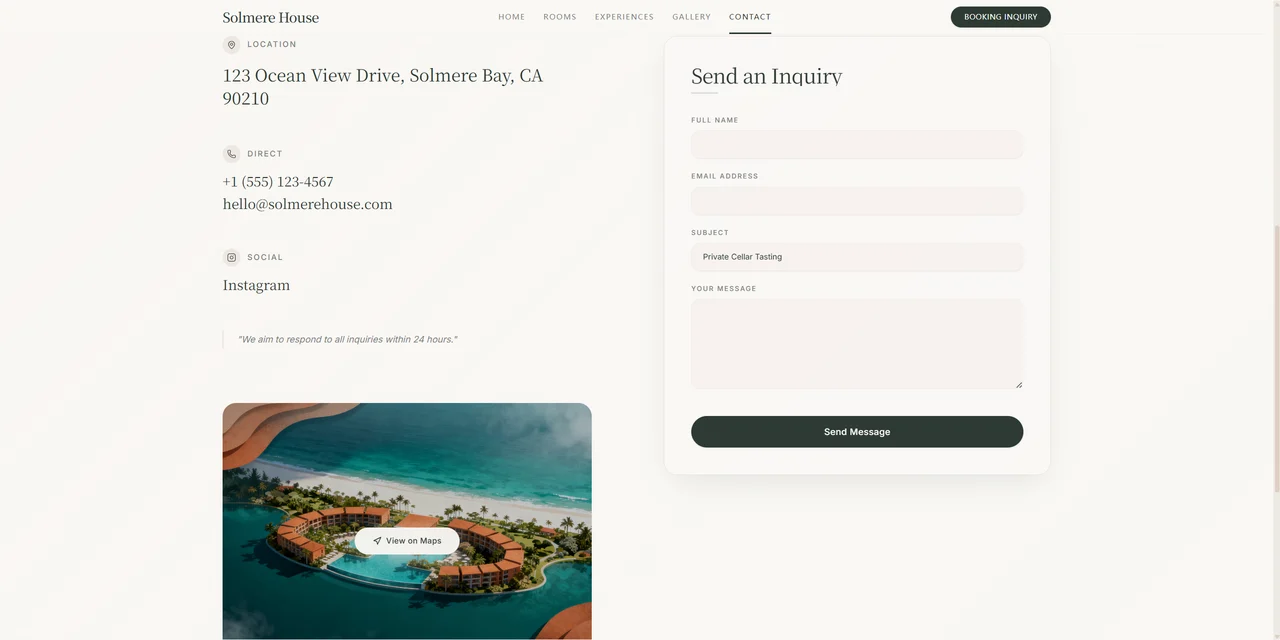
8. The Numbers Proved the Frame
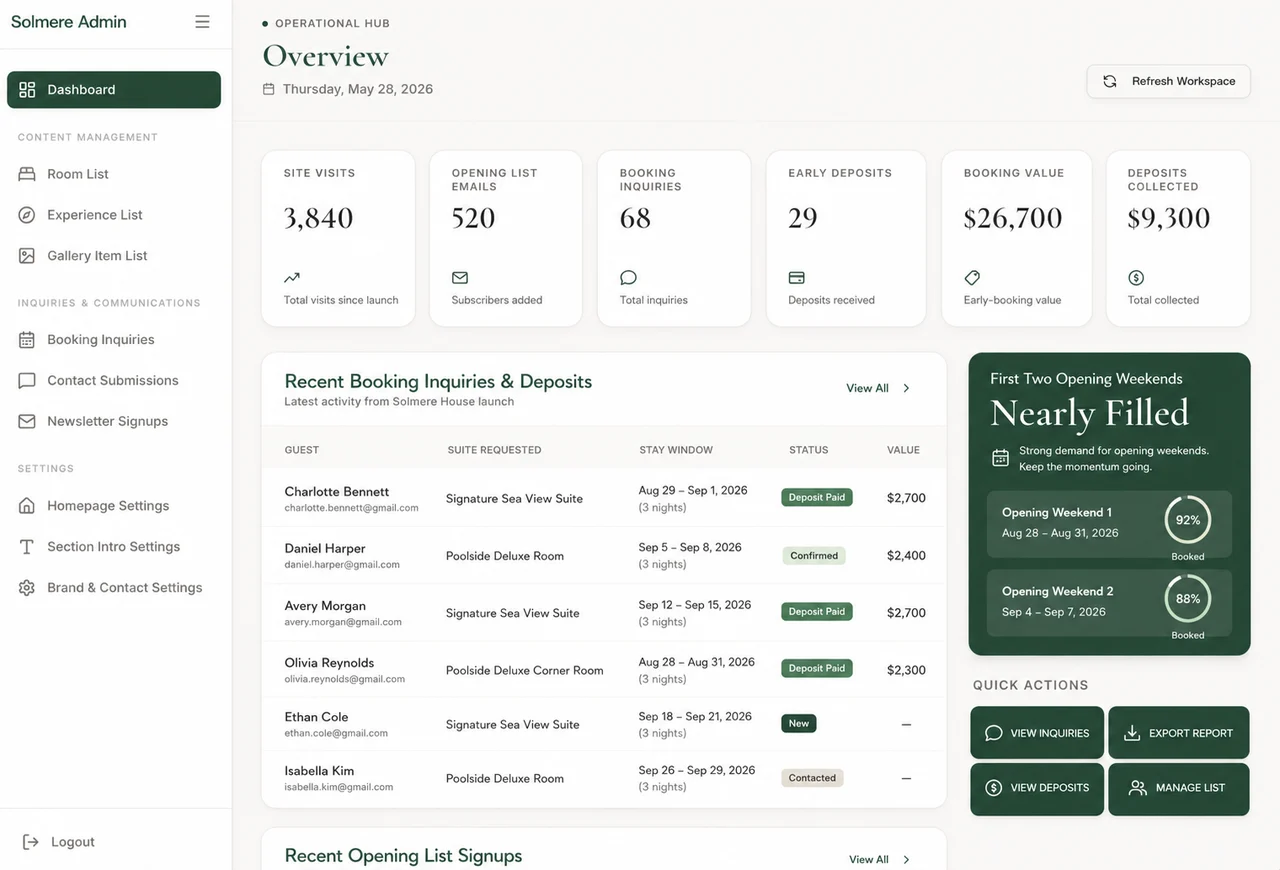
Twenty-one days after the new site went live, the results were not dramatic enough to sound like a startup myth. That made them more honest. Solmere House reached 3,840 site visits. The Opening List collected 520 emails. The site generated 68 booking inquiries. Twenty-nine guests placed early deposits. Early-booking value reached about 9,300 collected as deposits. The first two opening weekends were nearly filled.