AutoCoder.cc output
Optimized for a connected application, explicit requirements, and a direct publishing path. Complex edge cases, security, and test coverage still require review.
AutoCoder.cc and Lovable can both generate, refine, and publish full-stack web applications. AutoCoder.cc centers the process on an explicit Requirement List and managed application workflow; Lovable combines conversational building, editable code, Lovable Cloud or Supabase, and Git synchronization.
Choose AutoCoder.cc when you want a structured requirement-to-application workflow with built-in publishing and a paid ZIP export path. Choose Lovable when you want conversational full-stack development with Lovable Cloud, broad connectors, and GitHub or GitLab synchronization.
Lovable is no longer only a UI prototyping tool. Its current platform can generate frontend, backend, database, authentication, integrations, and deployed applications. The practical comparison is workflow, platform scope, portability, pricing, and how much configuration your team wants to own.
| Feature | AutoCoder.cc | Lovable |
|---|---|---|
| Core product | Autonomous AI coding agent and managed full-stack application platform | Full-stack AI development platform for web applications with editable code |
| Primary starting point | A product prompt converted into a structured Requirement List | A conversational prompt, project context, design direction, or existing Lovable project |
| Target users | Founders, PMs, operators, indie developers, and lean product teams | Founders, designers, developers, product teams, and business functions building web software |
| Full-stack generation | Generates connected UI, backend logic, database behavior, authentication, and preview | Generates frontend, backend, database, authentication, and integrations with Lovable Cloud or Supabase |
| Visual and code editing | Chat iteration plus visual editing inside the generated project | Conversational editing, design tools, code editing on paid plans, and Git-based local development |
| Backend options | Managed backend and database inside the generated AutoCoder project | Lovable Cloud built-in backend or native Supabase integration |
| Integrations | Hosting, domains, backend dashboard, Google sign-in, and source export | App connectors, MCP chat connectors, custom APIs, Stripe, Shopify, Git, and external services |
| Deployment | Built-in preview, publishing, AutoCoder subdomains, custom domains, and republishing | Lovable publishing and hosting, custom domains on paid plans, or alternative deployment through Git |
| Code portability | Paid plans include a full-stack ZIP source package | Git sync is available across plans; direct code download and in-product code editing require paid plans |
| Cost model | Monthly plans include defined generation-credit allocations | Workspace credits cover building, Cloud, and deployed AI usage; plans and top-ups scale by credits |
| Best fit | Requirement-led greenfield apps with a managed preview-to-publish workflow | Full-stack web apps where the team wants Lovable Cloud, connectors, Git synchronization, or code-level collaboration |
| Poor fit | Deeply customized existing repositories and language-specific infrastructure | Non-web products, highly specialized infrastructure, or teams unwilling to review generated code and Cloud usage |
Start from a full-stack product brief, then refine the interface, workflows, data, roles, and launch experience. Preview images are intentionally marked for production replacement.
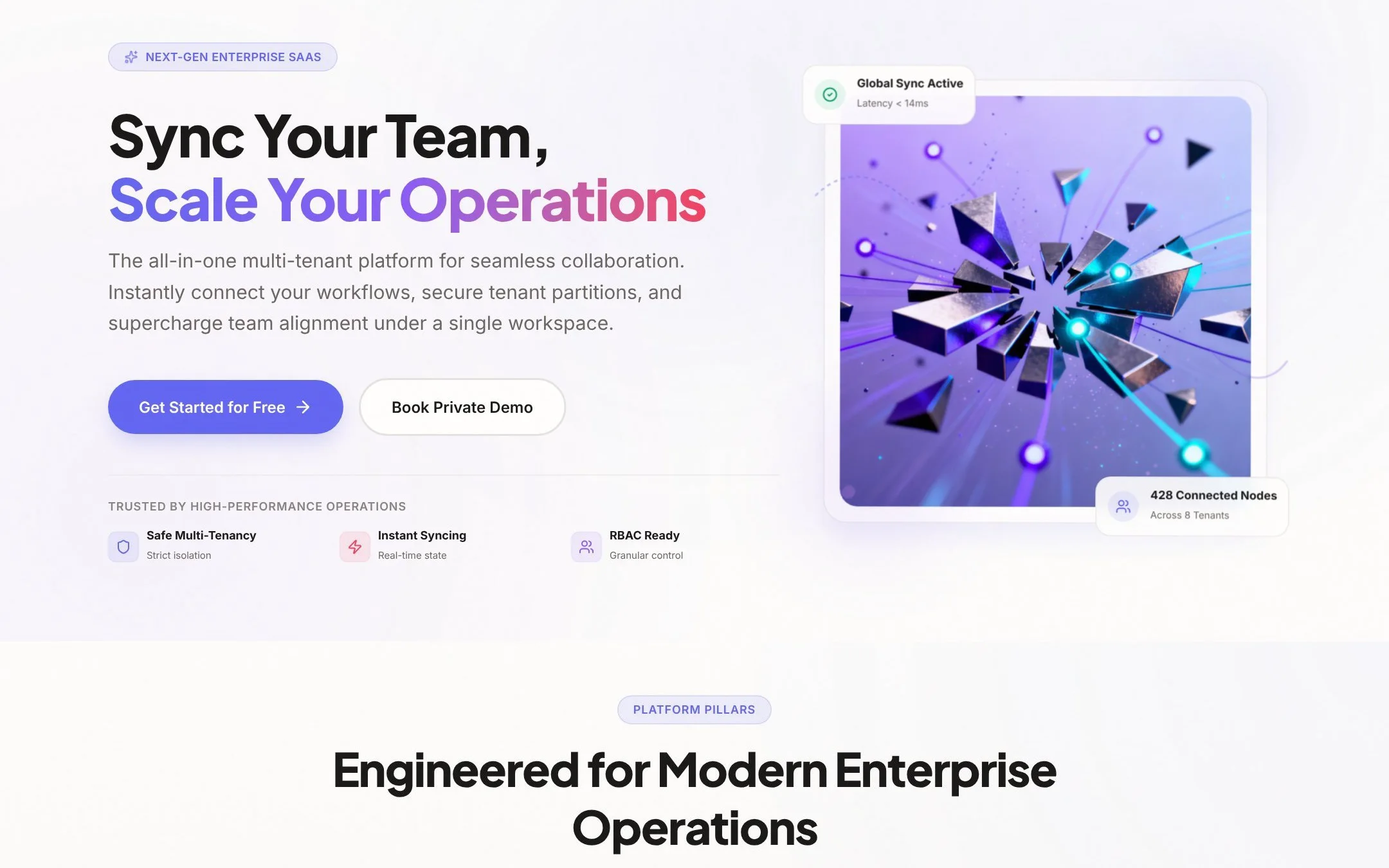
A subscription product with organizations, roles, billing, onboarding, and admin reporting.
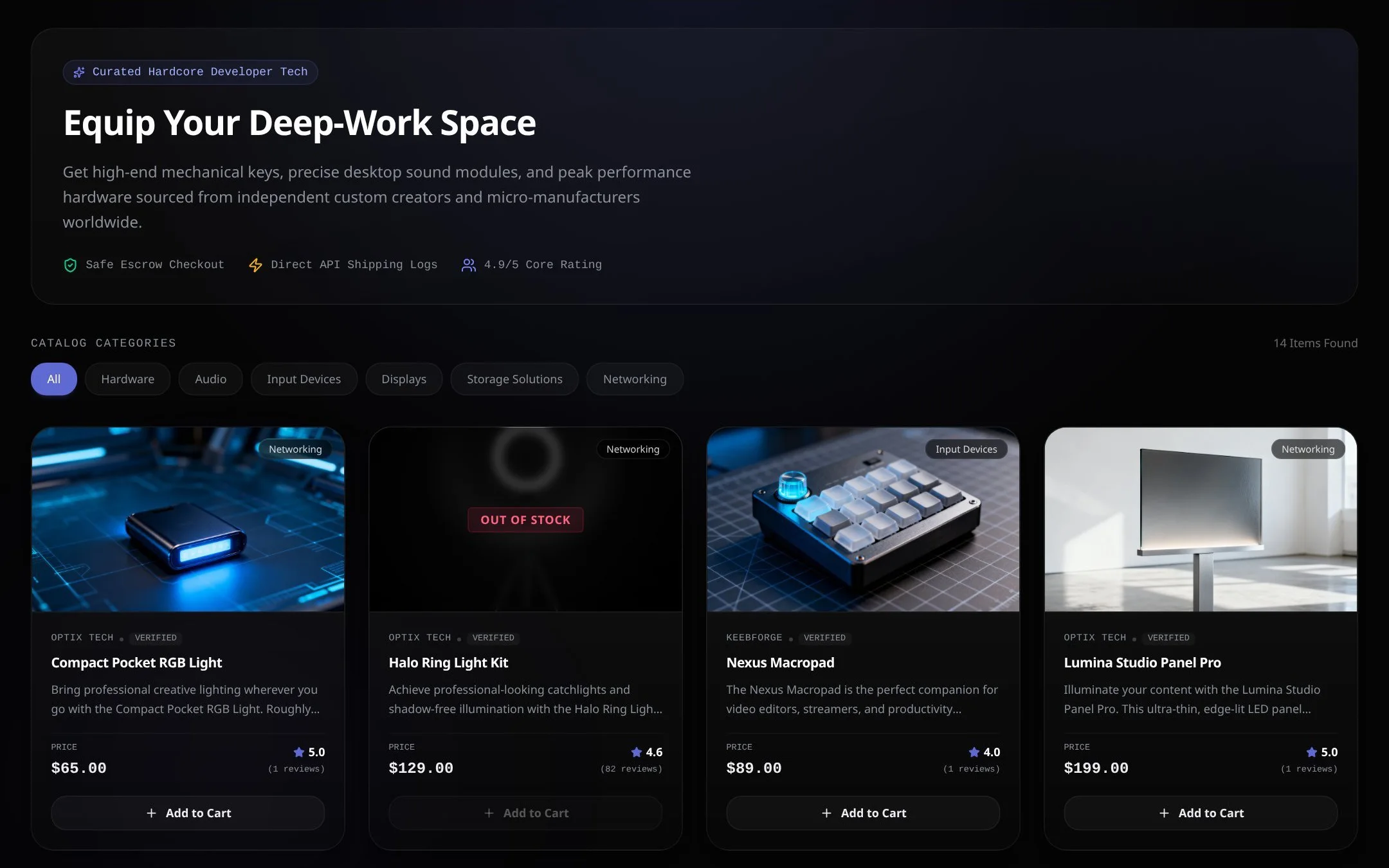
A two-sided marketplace with providers, customers, bookings, reviews, and payments.
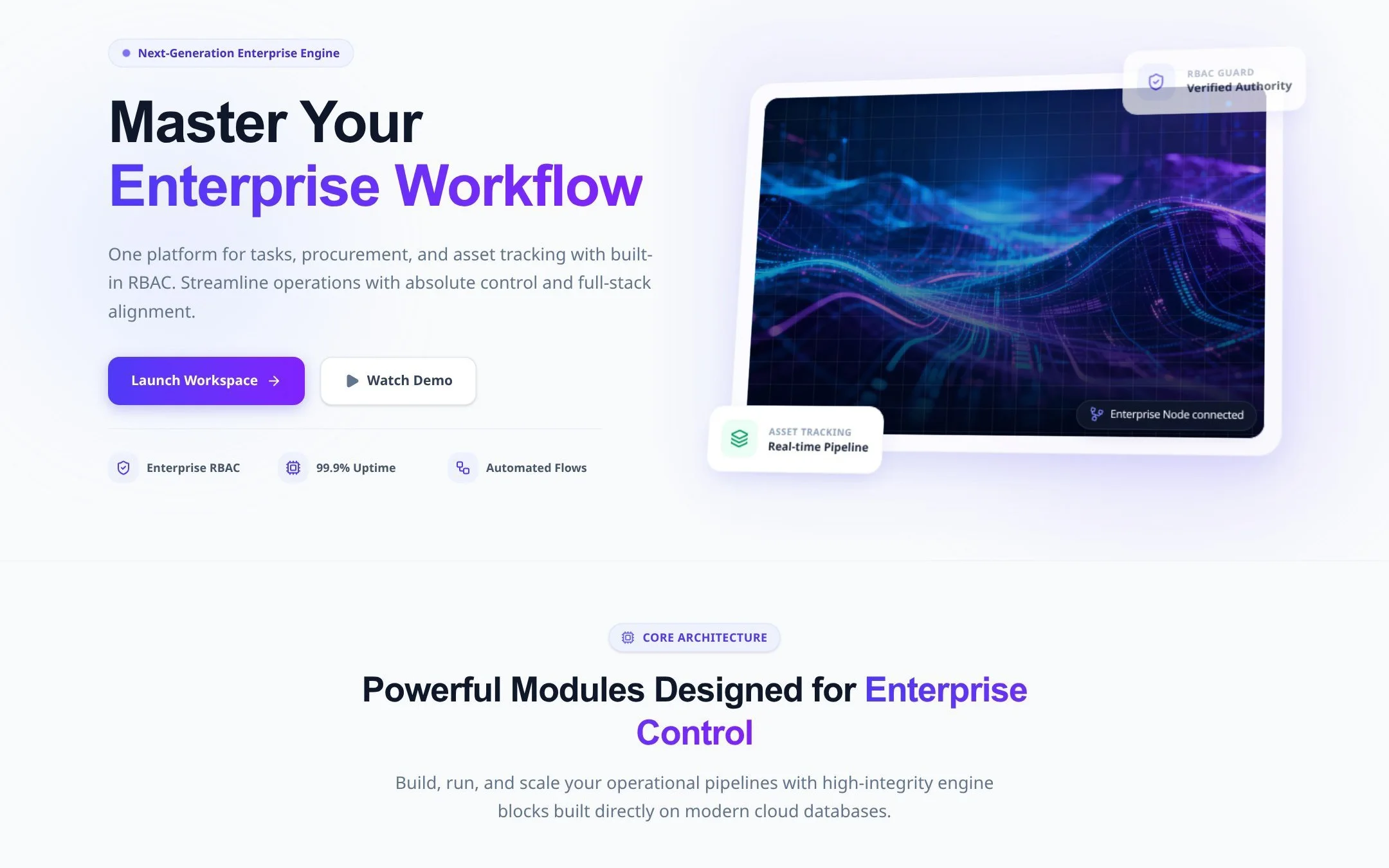
An internal system for records, approvals, audit history, and operational dashboards.
AutoCoder turns the product prompt into a Requirement List before generation, giving stakeholders a concrete review checkpoint.
Frontend, backend, data, authentication, preview, iteration, and publishing stay connected in one focused workflow.
Paid plans provide a full-stack ZIP export without requiring a Git integration before the team can obtain the code.
Teams that want a guided application workflow can avoid choosing between multiple backend, connector, repository, and deployment paths.
Prices and availability are time-sensitive. The values below were checked against official product documentation on August 5, 2026; taxes, usage limits, enterprise terms, and future changes are not included.
| Area | AutoCoder.cc | Lovable |
|---|---|---|
| Free access | $0 with 10 credits; source export is not included | Free includes 5 daily build credits up to 30/month, plus limited Cloud and deployed-AI grants |
| Entry paid plan | Standard: $25/month with 45 credits and source export | Pro starts at $25/month for 100 credits, or $250/year; higher credit tiers are available |
| Team plans | Pro: $60/month with 180 credits | Business starts at $50/month for 100 credits; Enterprise uses volume-based terms |
| Programming model | Managed generated full-stack project; no exhaustive public language matrix | Editable web application code, with Lovable Cloud or Supabase and Git-based local development |
| Integrations | Hosting, domains, backend dashboard, Google sign-in, and ZIP source export | GitHub, GitLab, app connectors, MCP servers, any API, Stripe, Shopify, and external deployment |
| Code ownership | Paid plans provide a downloadable full-stack source package | Lovable states users own their code; Git sync is available on all plans and direct download on paid plans |
AutoCoder.cc guides users through requirements, generation, iteration, and publishing inside one managed product flow. Lovable combines agentic building with Lovable Cloud or Supabase, connectors, code editing, and Git-based collaboration.
| Workflow stage | AutoCoder.cc | Lovable |
|---|---|---|
| Requirement handling | Creates a structured Requirement List before generation | Uses conversational prompts, project context, plan mode, and agent actions |
| Initial implementation | Generates connected frontend, backend, database behavior, authentication, and preview | Generates frontend, backend, database, authentication, integrations, and deployed web applications |
| Iteration | Supports chat changes, visual editing, and version history | Supports agent edits, design tools, code editing, Git synchronization, and local IDE work |
| Verification | Users should review behavior; universal automated test coverage is not documented | Provides testing and security workflows, but project-specific behavior and generated code still require review |
| Delivery | Publishes in-platform and supports paid ZIP export | Publishes through Lovable, supports custom domains on paid plans, and can deploy elsewhere through Git |
Optimized for a connected application, explicit requirements, and a direct publishing path. Complex edge cases, security, and test coverage still require review.
Optimized for editable full-stack web applications with Cloud, connectors, and Git portability. Quality depends on prompts, context, generated code, backend configuration, and team review.
AutoCoder.cc offers fewer repository and infrastructure choices. Lovable offers broader Git, connector, and backend options, but teams must manage more platform choices, usage categories, and generated-code review.
This is an official-documentation capability check, not a vendor-sponsored score or an independently executed benchmark.
| Test question | AutoCoder.cc result | Lovable result | Evidence status |
|---|---|---|---|
| Generate a working full-stack web app | Verified: connected app generation, auth, database, preview, and publishing are documented | Verified: Lovable documents frontend, backend, database, auth, integrations, and deployment | Official capability check |
| Use a managed backend | Verified within the AutoCoder project | Verified through Lovable Cloud; Supabase is also supported | Official capability check |
| Continue work through Git | Limited: paid ZIP export exists; one-click GitHub sync is under development | Verified: GitHub and GitLab sync are documented across plans | Official capability check |
| Export or download code | Verified on paid plans | Verified on paid plans; Git sync offers an additional portability path | Official capability check |
| Compare speed, cost, and output quality | Not independently tested | Not independently tested | Hands-on benchmark required |
Status: Not independently run. Before publishing measured performance claims, run both tools with the same prompt, acceptance criteria, starting state, plan, and review checklist.
Feature, pricing, and availability claims link to official vendor documentation. Readers should recheck time-sensitive details before purchasing.
Full-stack generation, authentication, database, deployment, and source export.
Requirement List, generation, iteration, visual editing, version history, and publishing.
Free, Standard, and Pro prices, credits, and source export availability.
Source export and current GitHub synchronization status.
Current full-stack positioning, editable code, backend, database, authentication, integrations, and deployment.
Free, Pro, Business, and Enterprise features, credit tiers, Git sync, code download, domains, and governance.
Build, Cloud, and AI usage, grants, top-ups, and usage-based costs.
GitHub synchronization, ownership, local development, and alternative deployment.
App connectors, MCP chat connectors, custom APIs, and authenticated services.
Both generate full-stack web applications. AutoCoder.cc emphasizes a structured Requirement List, a focused managed stack, and in-platform publishing. Lovable emphasizes conversational development with Lovable Cloud or Supabase, connectors, editable code, and Git synchronization.
No. Current Lovable documentation describes full-stack generation including frontend, backend, database, authentication, integrations, hosting, and editable code.
AutoCoder.cc provides a full-stack ZIP export on paid plans. Lovable provides GitHub and GitLab sync across plans, while direct code download and in-product code editing are listed for paid plans.
AutoCoder.cc offers fixed monthly plans with generation credits. Lovable uses workspace credits across building, Cloud, and deployed AI usage, with Free, Pro, Business, Enterprise, and optional top-ups.
Both support non-technical users. AutoCoder.cc is more guided around product requirements and a managed application flow. Lovable offers more platform and integration choices, which can be valuable but may require additional technical decisions.
Lovable currently has the stronger documented Git workflow through GitHub and GitLab synchronization. AutoCoder.cc supports paid ZIP export, while one-click GitHub synchronization is documented as under development.
Capabilities and current plan details were checked against official documentation on August 5, 2026. No controlled hands-on benchmark has been run, so the page does not claim a speed, cost, or output-quality winner.
Generate the product structure, connected frontend and backend, database behavior, roles, and publishing workflow in AutoCoder.cc.